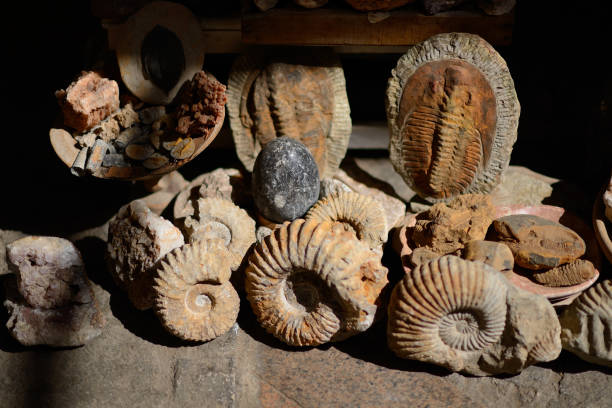
Erfoud, in southeast Morocco, is one of the most famous places in the world for fossils. The region is known for ancient marine life preserved in stone—especially from periods when this desert was once covered by warm seas. 
In this guide, you’ll learn the most common fossils people search for around Erfoud, what they look like, and what makes Morocco—especially this region—so special for fossil lovers.

What fossils can you find around Erfoud?

1) Trilobites (Morocco’s most famous fossils)
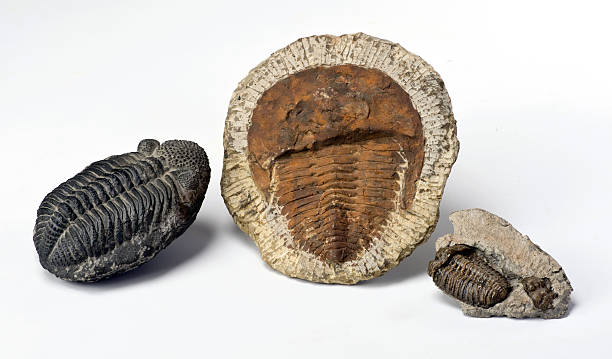
Trilobites are ancient sea creatures that lived hundreds of millions of years ago. Morocco is world-famous for them, and the Erfoud region is one of the main places where visitors first hear about “Moroccan trilobites.”
What makes trilobites exciting is the detail: segmented bodies, clear heads, and sometimes even spines and eyes. Some are small and simple, while others can be larger and more dramatic.
Tip for beginners: trilobites often have a “shield-like” head and a ribbed body. If a trilobite looks too perfect or identical to another one, it may have been heavily repaired or recreated—more on that below.

2) Ammonites and goniatites (spiral shells from ancient seas)

Ammonites are spiral-shelled marine animals that look like beautiful stone “snails.” They are extremely popular because they’re instantly recognizable and often very photogenic.
You may also hear the name goniatite. Goniatites are related spiral fossils that are typically older and can have different internal patterns. Many visitors buy ammonites or goniatites in Morocco because there is a wide variety of sizes and shapes.
What to look for: natural ammonites often show growth lines and realistic variation. Polished examples can look amazing, but if you want a natural look, ask for unpolished or lightly cleaned pieces.

3) Orthoceras and other straight-shelled fossils
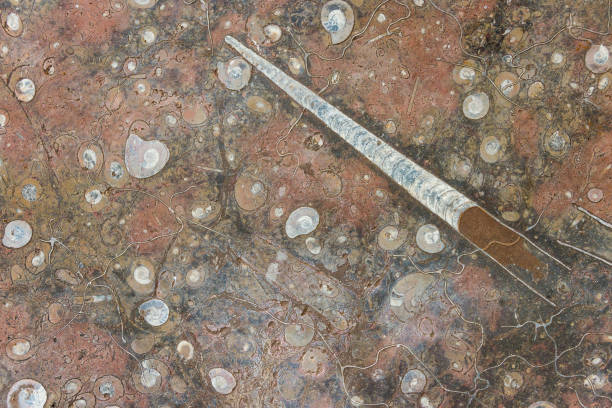
Orthoceras is one of the most commonly seen fossils in Morocco—especially in shops and workshops around Erfoud. It has a long, straight shell shape and is often cut and polished into decorative pieces.
You’ll see orthoceras in many forms:

  • slabs and plates
  • bookends
  • sinks and tables
  • polished “fossil marble” pieces

4) Crinoids and other marine fossils

Crinoids are sometimes called “sea lilies.” They were marine animals that lived on the sea floor. Often, you’ll find small crinoid segments that look like little stone beads or rings. They can appear inside fossil slabs or mixed with other marine fossils.
Other marine fossils visitors may encounter include various shells, starfish and ancient reef-life fragments—smaller finds that are still very interesting once you learn what you’re seeing.

5) Kem Kem fossils (Cretaceous finds)

While Erfoud is strongly associated with marine fossils, many travelers also ask about Kem Kem—a well-known fossil region in Morocco famous for Cretaceous-era animals.
Kem Kem is often mentioned for vertebrate fossils such as:

  • dinosaur teeth (including famous finds associated with large theropods)
  • crocodile teeth and bone fragments
  • fossil fish remains
  • sawfish rostrum fragments (often linked to Onchopristis)
  • other Cretaceous-era fragments and partial fossils
Important note: the fossil market can include many repaired pieces, composites, or items without clear provenance. If you’re interested in Kem Kem material, it’s worth being careful about authenticity, restoration, and documentation—especially for high-value items.

Why is Erfoud known for fossils?

The short answer: geology + exposure + history.
Millions of years ago, this area was part of an ancient sea environment. Over time, sediments buried marine life, and minerals preserved them as stone fossils. Later, uplift and erosion exposed many layers—so fossils became accessible in the desert landscape.
Erfoud also became a center for fossil preparation and craftsmanship. That’s why you’ll see many fossil workshops in the region: specimens are cleaned, prepared, cut, and sometimes polished into art and decorative stone.

Responsible fossil collecting (simple and respectful)

If you’re excited to find fossils in Morocco, do it in a way that respects the land and local rules:

  • Don’t damage sites unnecessarily
  • Avoid unsafe digging
  • Focus on learning and discovery, not taking everything
  • When in doubt, ask a local guide what’s appropriate
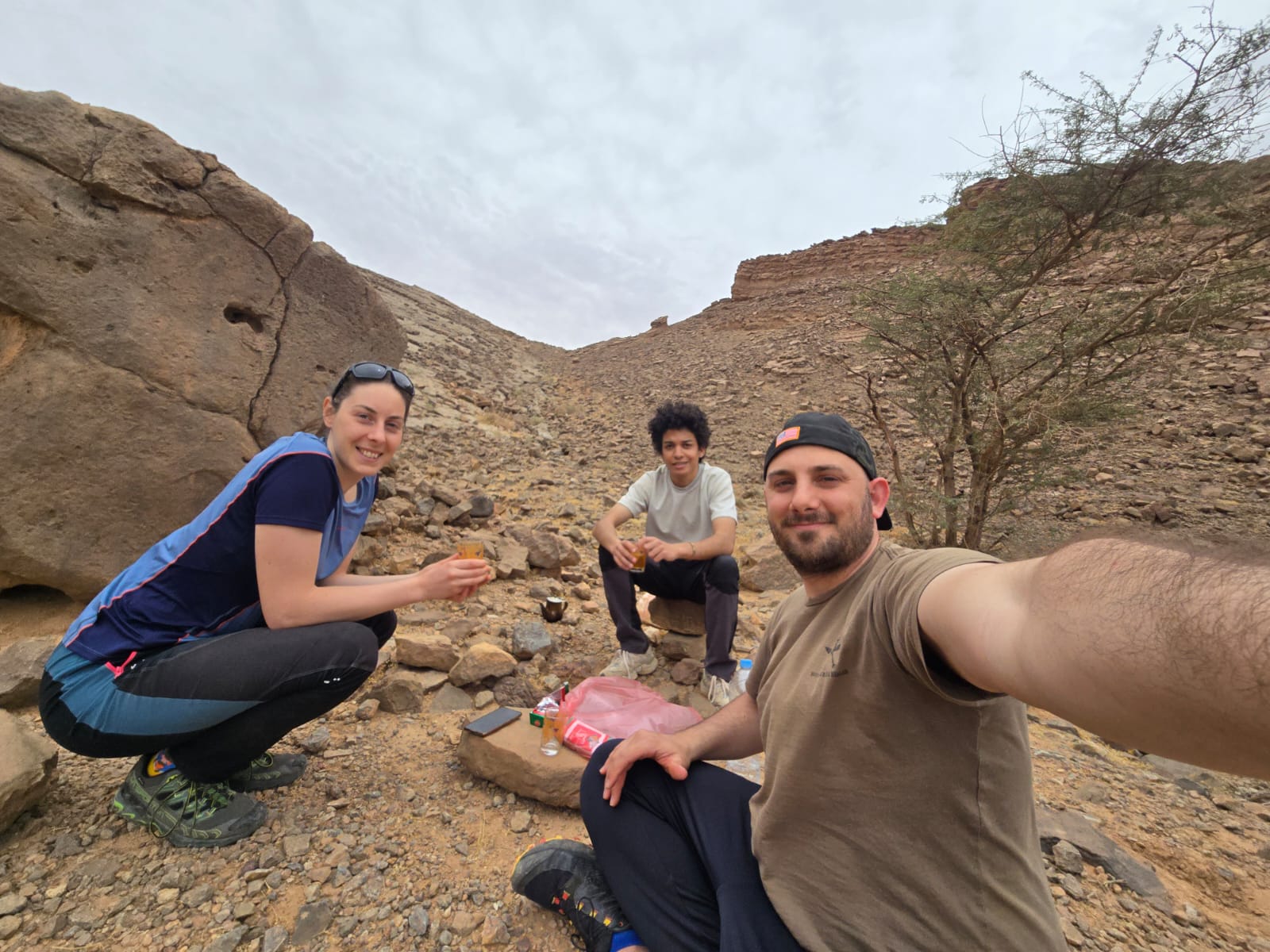
Responsible collecting protects the experience for future visitors and helps preserve Morocco’s natural heritage.