Why Morocco is famous for trilobites
When did trilobites live?
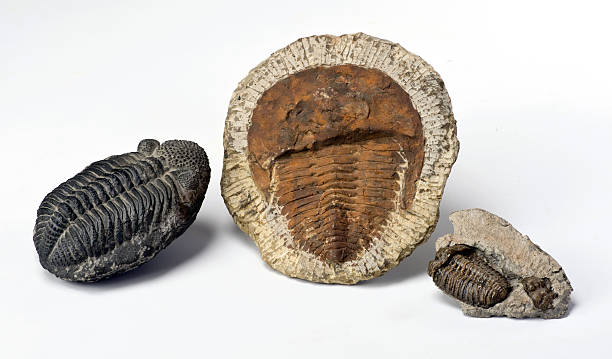
Common Moroccan trilobites you’ll see
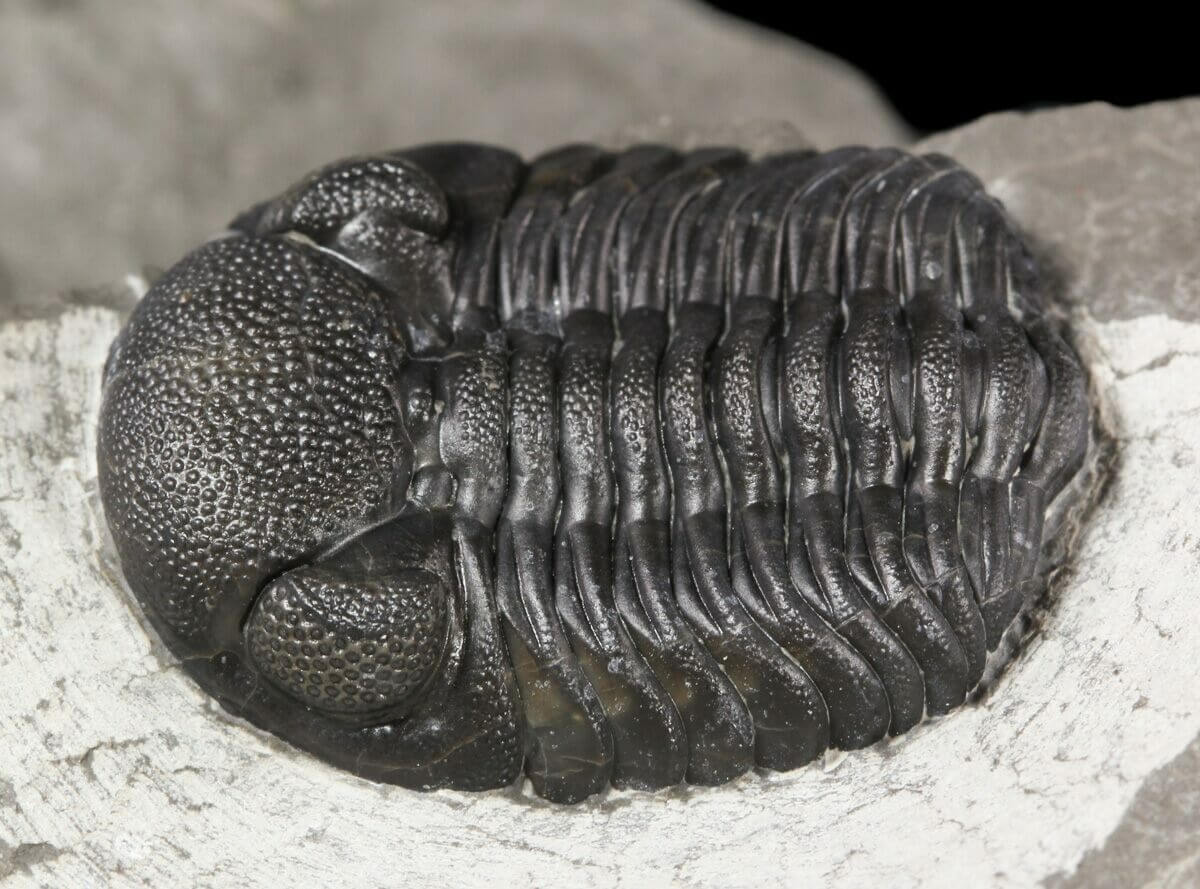
Phacops trilobites (big eyes)
Calymene trilobites (classic shape)

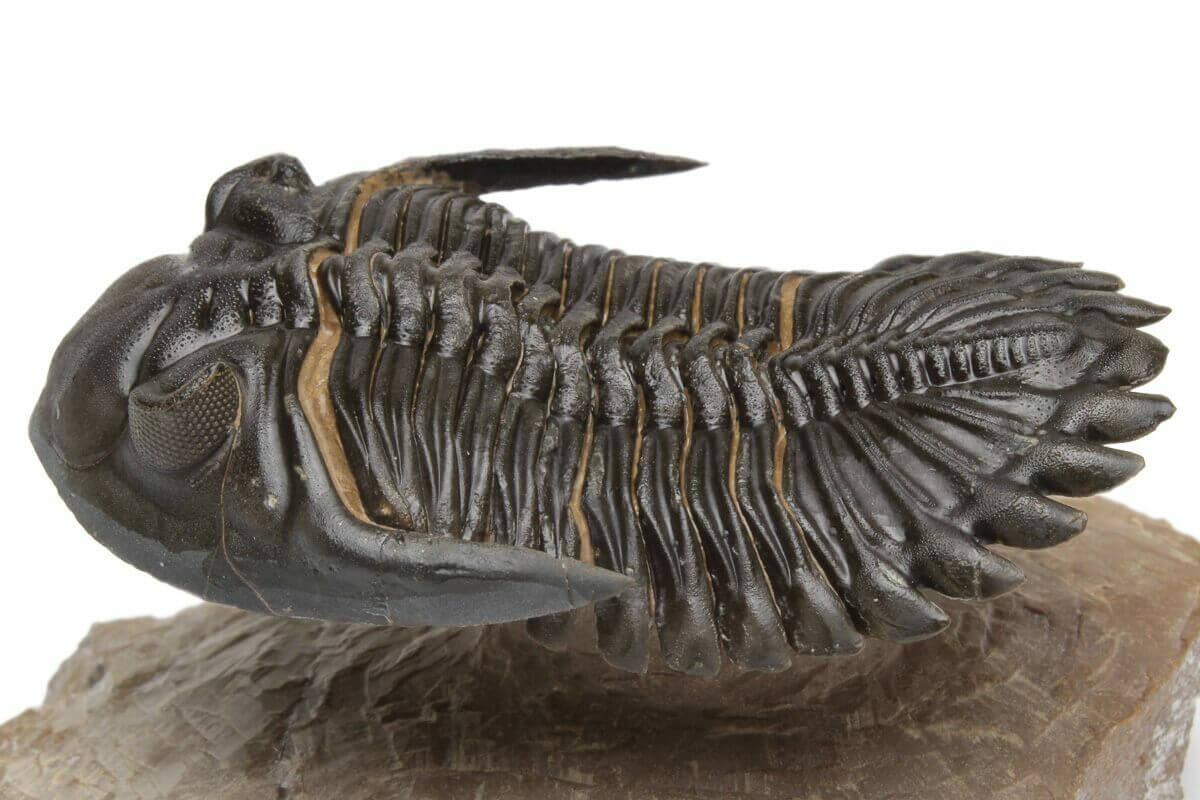

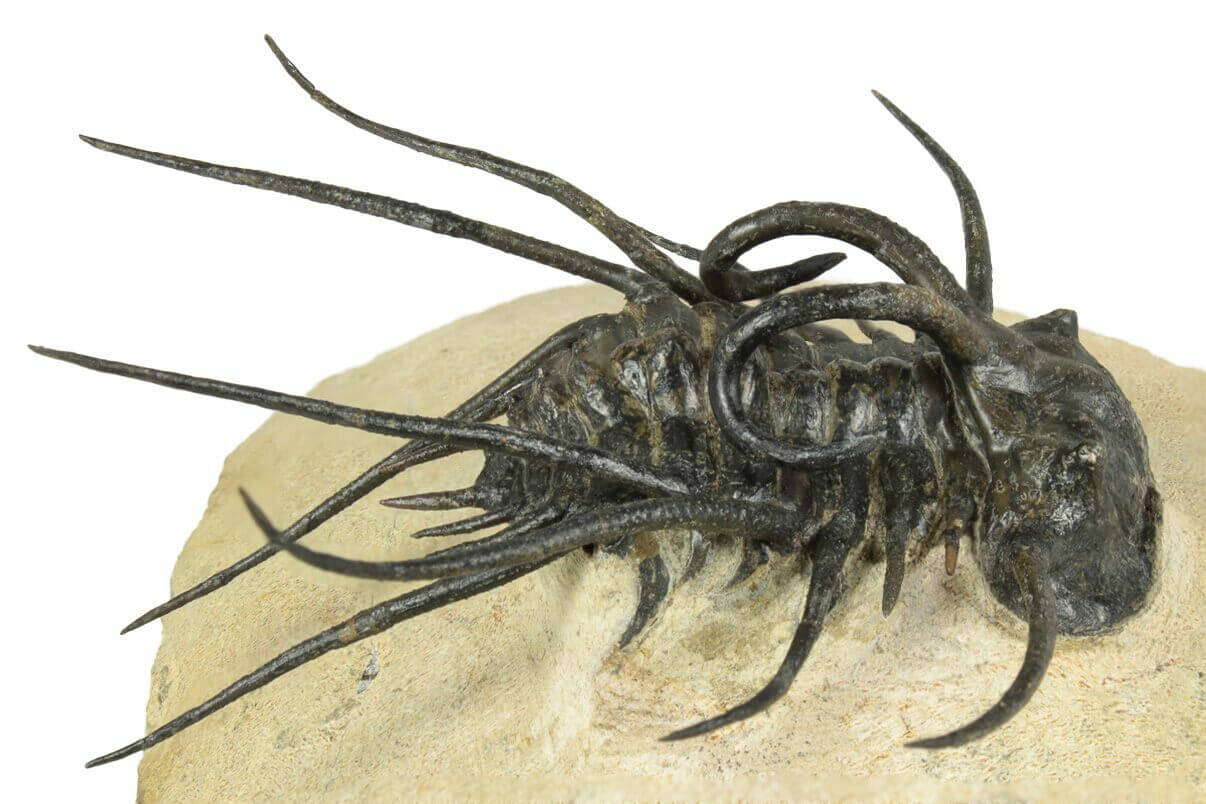
Where Moroccan trilobites come from (Erfoud area, simply explained)
- it’s a hub for fossil preparation and workshops
- it’s close to major travel routes (many travelers visit from Merzouga)
- it’s strongly linked to Morocco’s marine fossil heritage (trilobites, ammonites, orthoceras-style fossils, crinoids)
Real vs fake vs restored: what that actually means

- Real (minimal restoration): mostly natural fossil, cleaned and prepared.
- Real but restored: real fossil, but repaired with filler, glued cracks, rebuilt edges/spines, or re-carved details.
- Fake/composite: made from multiple pieces or shaped to look like a fossil that isn’t really there.
How to spot a heavily repaired trilobite (quick checklist)
- Too perfect edges: outlines that look “drawn” or overly smooth can mean filler and reshaping.
- Different texture around the fossil: fossil looks natural, but the surrounding rock looks flat, polished, or “painted.”
- Repeating patterns: identical grooves or repeated “tool marks” can signal carving.
- Color mismatch: filler can be a slightly different shade than the natural matrix.
- Suspicious symmetry: some trilobites are symmetrical, but perfect symmetry with perfect detail is a red flag.
- “Is this restored? Which parts are original?”