
Kem Kem (often called the Kem Kem Beds) is one of Morocco’s most famous fossil regions. It’s known worldwide for fossils from the Late Cretaceous—a time when southeastern Morocco wasn’t dunes and dry plains, but a landscape shaped by rivers, floodplains, and wetlands. This is the setting behind some of the most iconic African fossils, including Spinosaurus and a whole river ecosystem of giant fish and crocodile relatives.
Kem Kem isn’t one single “spot.” It’s a fossil-bearing region made up of different layers and localities, which is why the name appears so often when people talk about Moroccan dinosaur fossils.

When did Kem Kem fossils live?

Most Kem Kem fossils date to around 100 million years ago (often discussed around the Cenomanian stage of the Late Cretaceous). That’s long after the Devonian marine world associated with trilobites and ammonoids—Kem Kem belongs to the dinosaur era.

What was Kem Kem like back then?

The easiest way to picture Kem Kem is as an ancient river world:
  • wide river channels carrying sand and gravel
  • seasonal flooding that spread sediments over the plains
  • shallow water zones where fish were abundant
  • muddy areas where bones, teeth, and scales could be buried and preserved
River systems don’t preserve fossils in the same way a calm sea floor can. Water movement can break bones, move them, and concentrate them in certain places. That’s a big reason why Kem Kem is famous for isolated pieces—especially teeth and dense fragments—rather than neat, complete skeletons.

The Kem Kem ecosystem (why it’s scientifically exciting)

Kem Kem fossils are exciting because they represent a full ecosystem that feels “alive” when you understand it:
  • Huge fish lived in these waters and formed a major part of the food chain.
  • Crocodile relatives were present as predators and scavengers along river edges.
  • Large theropod dinosaurs hunted in and around these wetlands.
Kem Kem is often described as a place where water and predators shaped everything—so the fossils you find reflect that: lots of teeth, jaws, scales, and durable pieces that survive movement in rivers.

Spinosaurus (the name everyone connects to Kem Kem)
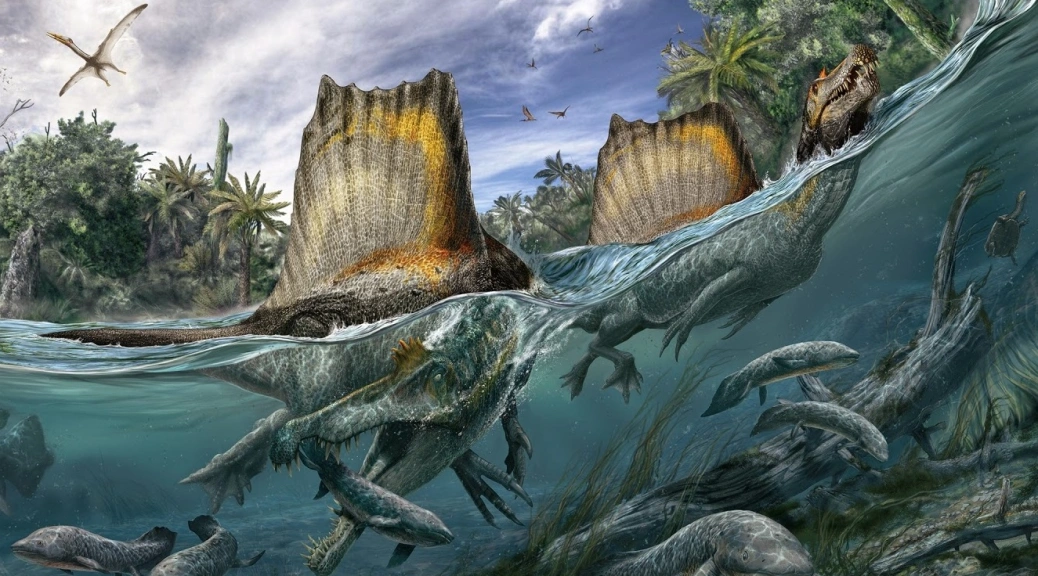
Spinosaurus is the most iconic dinosaur associated with Kem Kem. It’s famous for its long crocodile-like snout and for being linked to a river environment—exactly the kind of world Kem Kem represents.
That’s why Kem Kem and Spinosaurus are mentioned together so often: the fossils and the environment match the same story.

What fossils are found in Kem Kem?

Kem Kem is best known for vertebrate fossils (animals with backbones). Common types people talk about include:

Dinosaur fossils (mostly teeth and fragments)

  • Spinosaurus-related remains (often represented by teeth and fragments)
  • other large theropod dinosaur teeth and partial pieces
Complete skeletons are rare. The “normal” Kem Kem fossil experience is recognizing smaller but meaningful parts—especially teeth.

Crocodile and reptile fossils

  • teeth
  • jaw fragments
  • bone pieces
These fit the river setting and show how predator-heavy the ecosystem was.

Fish fossils (a huge part of Kem Kem)

Fish remains are everywhere in the Kem Kem story:

  • fish teeth and jaw fragments
  • scales and dense bone pieces
  • sawfish rostrum fragments (often linked to Onchopristis)
If you want to understand Kem Kem properly, don’t think “only dinosaurs.” Think river life, with fish as a major foundation of the ecosystem.

Why Kem Kem is so famous

Kem Kem stands out because it combines:

  • a dramatic river ecosystem (not just random desert fossils)
  • famous names like Spinosaurus
  • fossils that are often easy to recognize even for beginners (teeth, rostrum fragments, jaws, scales)
It’s one of the most “imaginable” fossil regions—once you picture the rivers and predators, the fossils make sense.