
Trending
Private10 hours
Fossil Hunting with a Classic Moped (Self‑Drive)
From
95€

The Cretaceous is part of the dinosaur era, when river systems and floodplains shaped landscapes across North Africa.
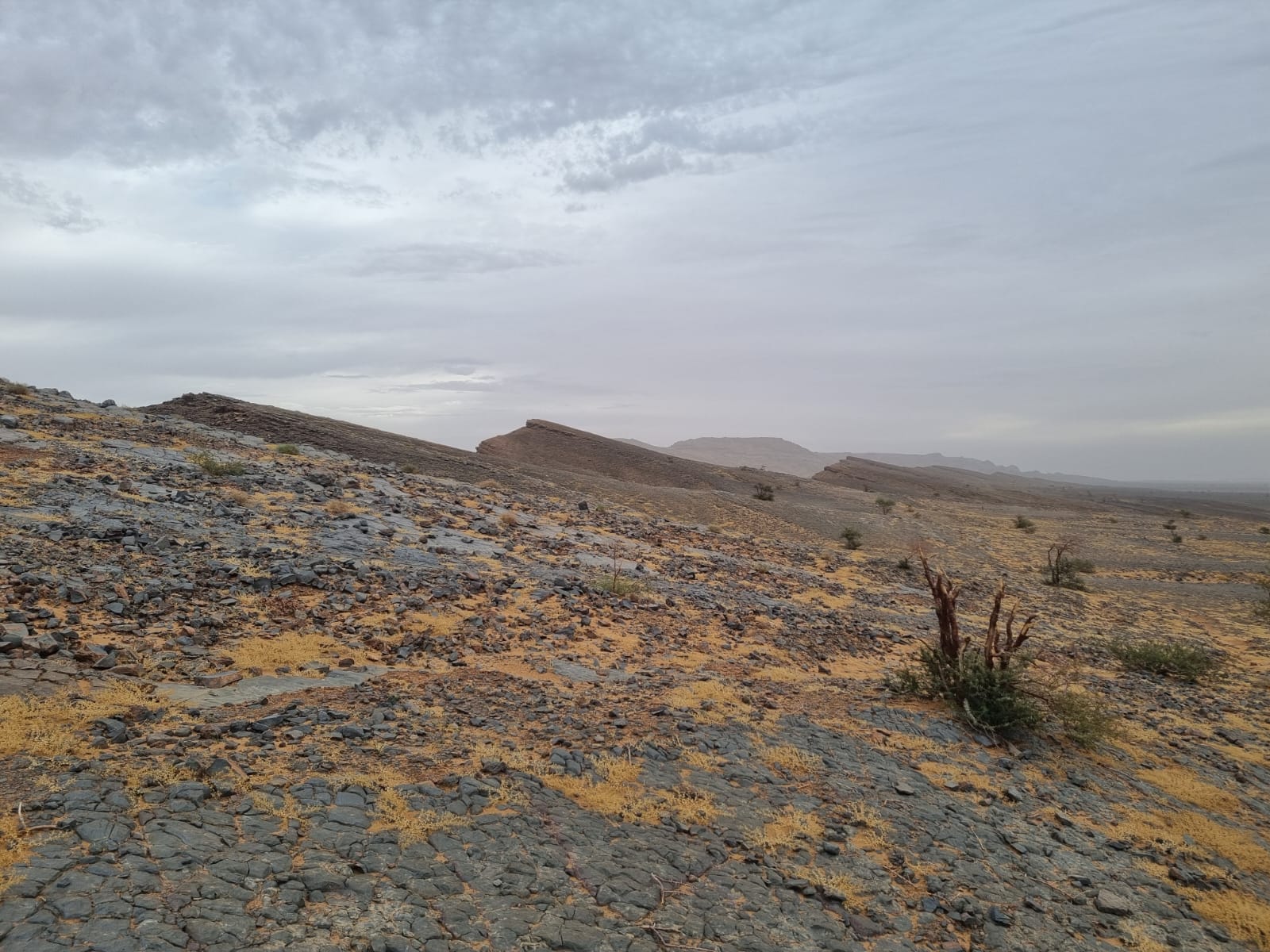
The Cretaceous period lasted roughly 145–66 million years ago. In southeast Morocco, Cretaceous fossil sites are often connected to river environments and dinosaur-age ecosystems.


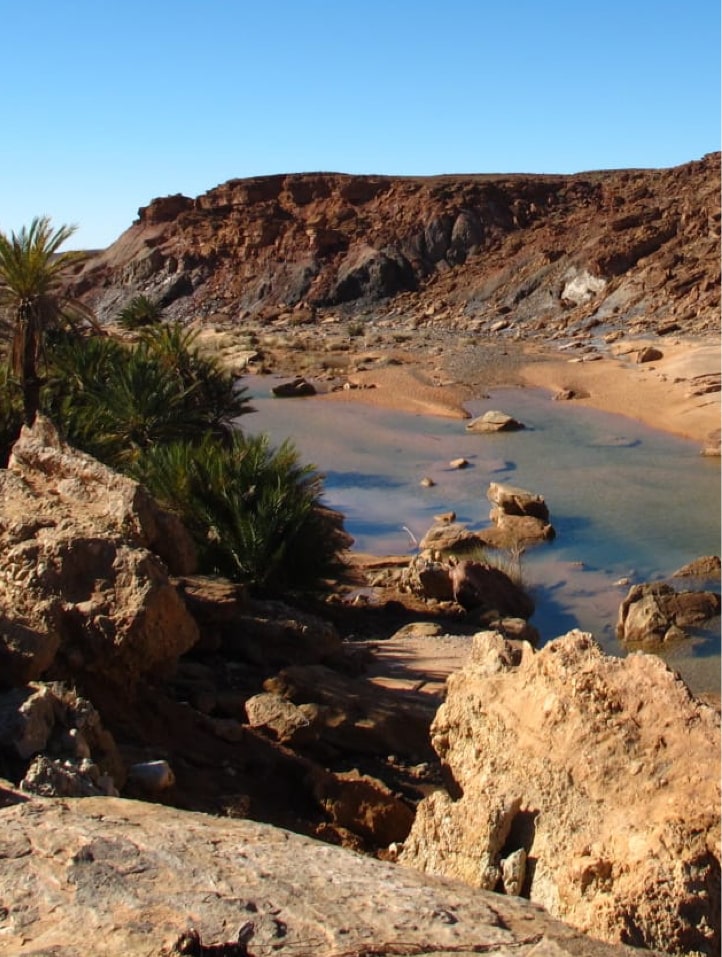
During the Cretaceous, parts of this region are often described through the lens of river systems: channels, floodplains, and wetlands that supported a rich food chain. That’s why many Cretaceous finds are linked to water—fish, reptiles, and large predators that hunted near rivers.
River environments can move and concentrate fossils. So instead of neat “museum” skeletons, Cretaceous contexts are often understood through strong, recognizable pieces like teeth, jaw fragments, and dense fossil material that survives transport in rivers.
Cretaceous-age fossil discussions in Morocco often include:
Even when you don’t “find a dinosaur,” the landscape and fossil context help you understand what made this era so unique.
Choose a tour below to experience the Cretaceous story on the ground—guided, easy to follow, and built around the fossil-rich region near Erfoud, Morocco.



 Optimized by Seraphinite Accelerator