
Trending
Private10 hours
Fossil Hunting with a Classic Moped (Self‑Drive)
From
95€

The Devonian is often called the “Age of Fishes,” but in this part of Morocco it’s also remembered for warm seas and thriving marine life.
The Devonian period lasted roughly 419–359 million years ago. Long before the Sahara became a desert, this region was connected to warm seas. Over time, muds and sands on the sea floor hardened into rock and preserved fossils inside it.
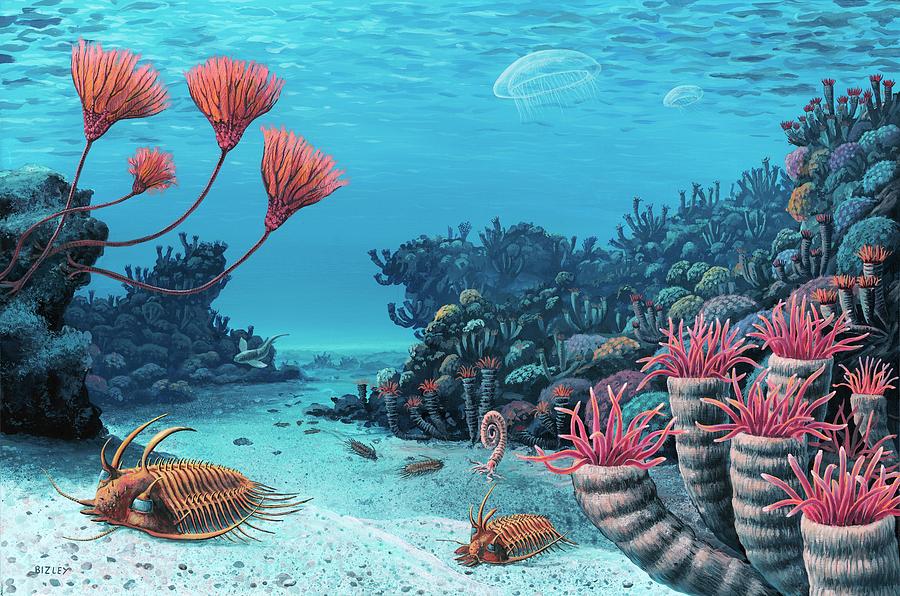

Think of the area around modern Erfoud as part of an ancient marine world: shallow-water shelves, sea-floor habitats, and changing coastlines over millions of years. That’s why Devonian fossil layers here are strongly marine—many of the classic “Erfoud fossils” from this chapter come from ocean life, not land animals.
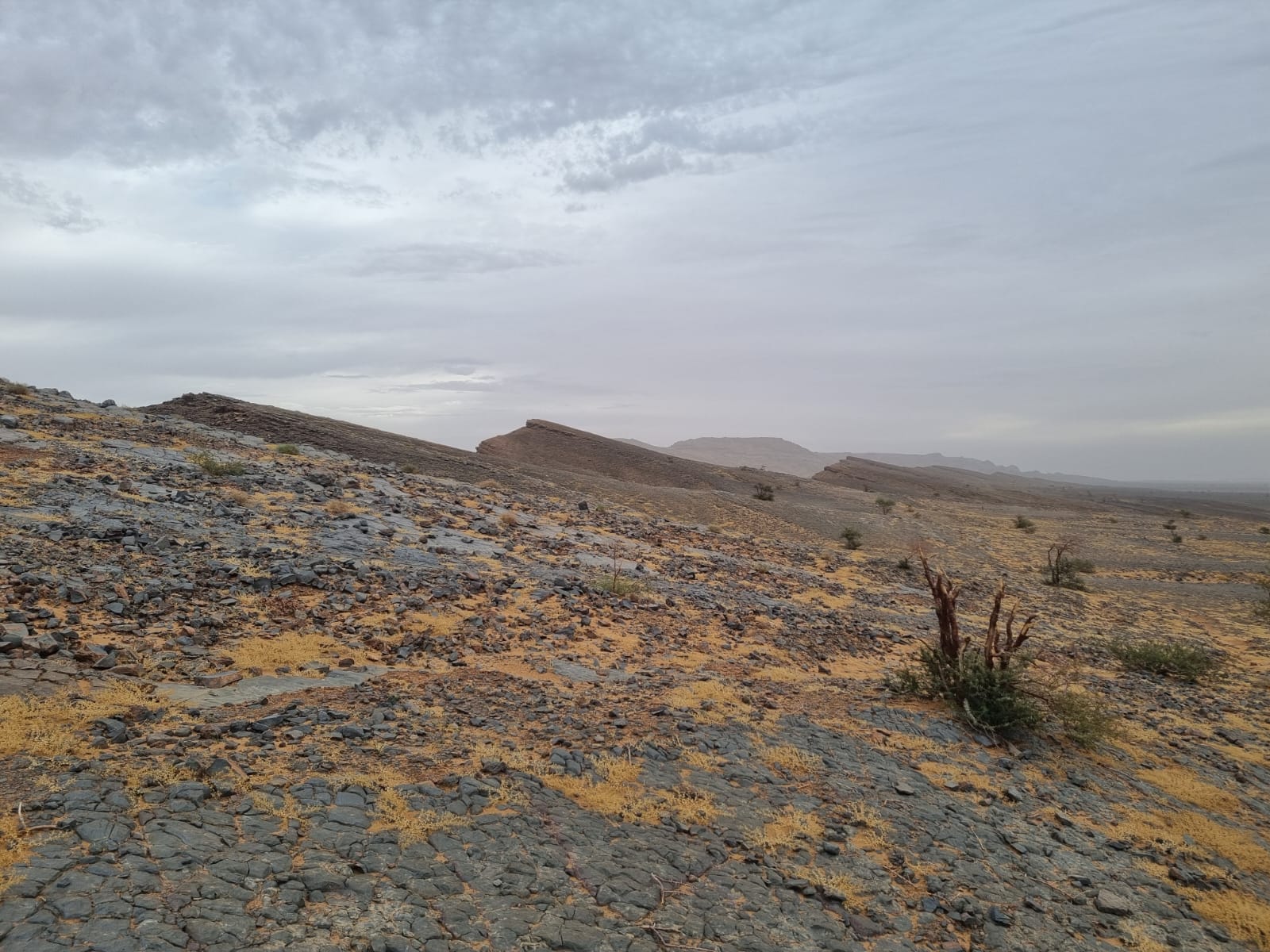
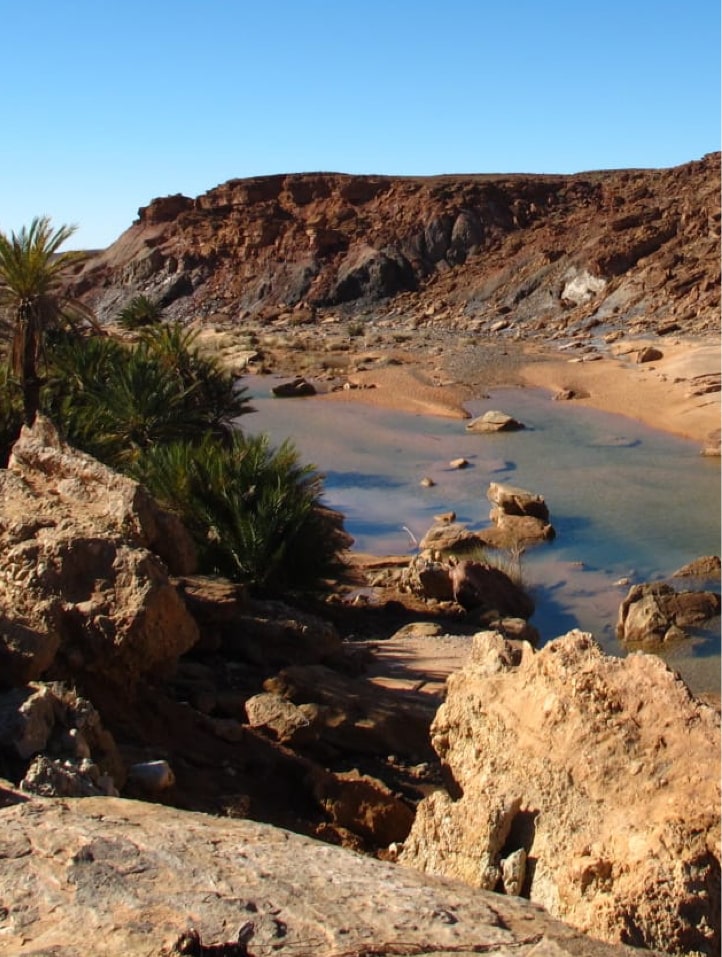
Because these fossils formed in sea-floor sediments, you’ll often find fossils preserved in rock matrices that once were mud, sand, and carbonate materials. The desert exposure today makes those layers easier to access and study.
Devonian layers in Morocco are famous for marine fossils. Depending on the site, you may learn about (and sometimes find) fossils such as:
These fossils are a window into a time when the region’s story was written in water, not sand.
Choose a tour below to experience the Devonian story on the ground—guided, easy to follow, and built around the fossil-rich region near Erfoud, Morocco.



 Optimized by Seraphinite Accelerator